Journal · Guides
RTA, stock or custom cabinets: what is the difference?
How ready-to-assemble cabinets compare with big-box stock and custom cabinetry on price, quality, choice and lead time, and how to tell good RTA from bad.
nxios design · September 18, 2026
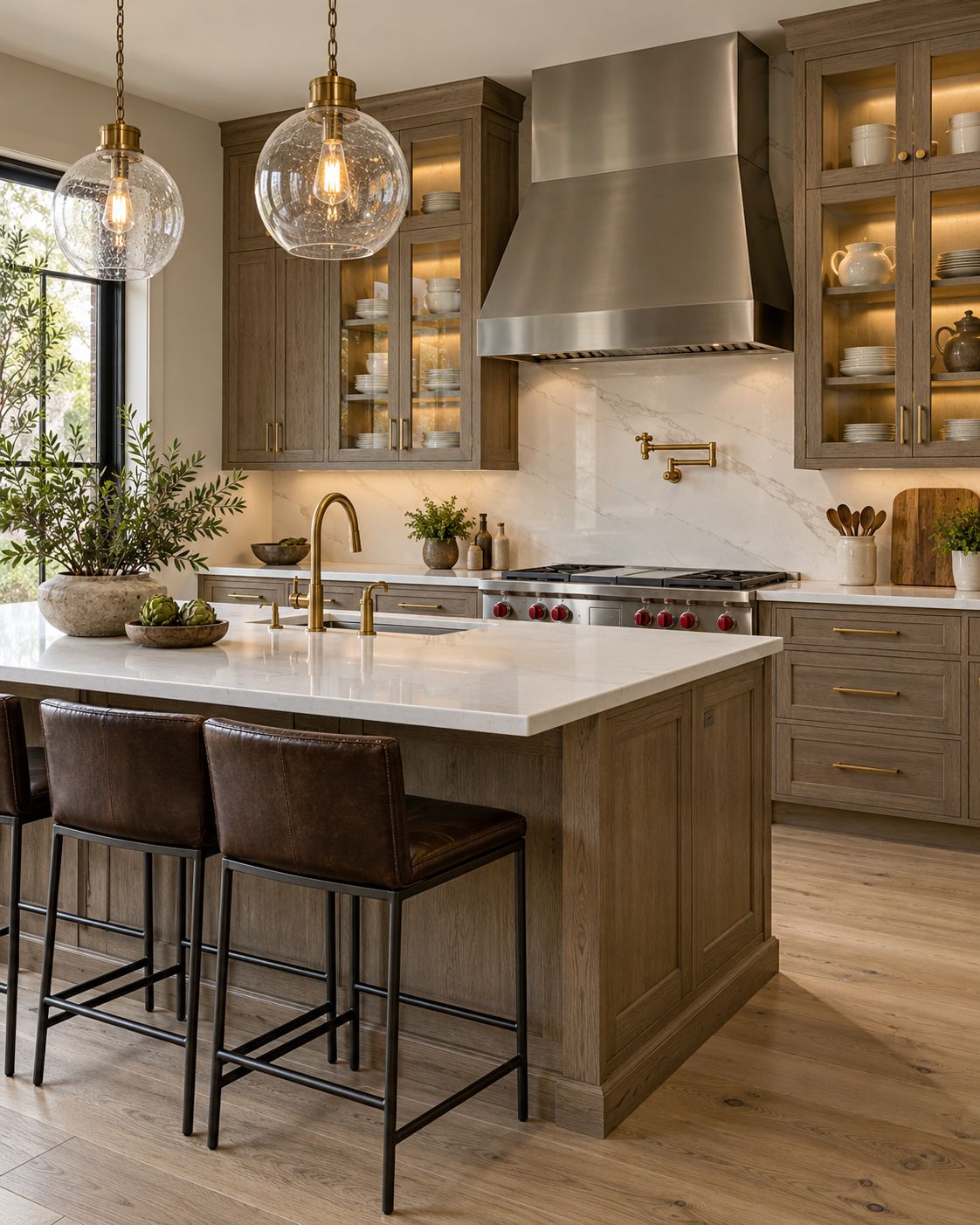
When you start pricing a kitchen, you will run into three kinds of cabinets: custom, stock and ready-to-assemble (RTA). They can look alike in photos, but they are made, sold and priced very differently.
Custom
Custom cabinets are built to order for your kitchen, in any size, finish or detail you want. A cabinetmaker or a custom shop measures, designs and builds them, and usually installs them.
Good for: unusual rooms, historic homes, and people who want something no one else has. Trade-offs: the highest price, and lead times of many weeks or months.
Stock
Stock cabinets are made in standard sizes and sold ready-built from stores and distributors. You choose from what is on the shelf or in the catalog.
Good for: quick replacements and tight budgets. Trade-offs: fewer sizes and finishes, and assembled boxes are bulky to ship and easy to damage in transit.
RTA
RTA cabinets are made in standard sizes like stock cabinets, but ship flat in boxes, with doors, drawers and hardware included. You or your installer assemble them on site.
Good for: people who want a better cabinet for the money, and a wide choice of styles, delivered to the door. Trade-offs: an extra step to assemble each box, which usually takes 20 to 40 minutes once you have built a couple.
Because RTA cabinets ship flat, they cost less to store and to move, and that saving is passed on in the price. It is the same reason flat-packed furniture costs less than furniture delivered assembled.
At a glance
| Custom | Stock | RTA | |
|---|---|---|---|
| Price | Highest | Lowest to middle | Low to middle |
| Sizes | Any | Standard | Standard, plus fillers and panels |
| Lead time | Weeks to months | Often in stock | Days to a few weeks |
| Delivery | Installed | Assembled boxes | Flat-packed to your door |
| Assembly | None | None | You or an installer |
How to tell good RTA from bad
Not all RTA cabinets are equal. When you compare them, look at:
- The box material. Plywood boxes hold screws better and stand up to moisture better than particleboard.
- The doors. Solid wood frames or quality MDF with a good painted finish last longest.
- The drawers. Look for full-extension, soft-close slides and dovetail or solid drawer boxes.
- The hinges. Soft-close hinges that adjust in three directions make the doors easy to line up.
- Every size you need. A good range of widths, plus fillers, panels, toe kick and molding, means fewer compromises at the walls.
How it works with us
Our cabinets are RTA, offered in a few Series of door styles. You measure the room, lay out every box to the inch in the designer, and the plan is checked for fit before you order. The parts list includes the toe kick, fillers and trim, and shipping is priced from the number of boxes, their weight and your ZIP code before you pay.
Ready to build? Read the RTA assembly guide.